
Foundation Crack Repair in North Richland Hills, TX
North Richland Hills Superior Foundation Repair offers professional foundation crack repair in North Richland Hills, TX, from epoxy injection of slab and grade beam cracks to repointing stair-step cracks in brick veneer. Slab cracks about 1/32 inch and wider get pressure-injected with epoxy at $450 to $850 per crack, and brick crack repair with matched mortar runs $400 to $1,100 per wall section. We figure out whether a crack is cosmetic or structural before we fill anything.
A crack is a symptom. Concrete shrinks as it cures, so hairline cracks in a slab are normal, but a crack that's wide, offset or growing every summer means something under it is moving. We measure it, check the floor survey and stop the movement first when there is movement, because filling an active crack just means filling it again.
Get a FREE Estimate
Or call (817) 918-8523
Foundation Crack Repair by Crack Type
Different cracks mean different things, and each kind gets its own repair.
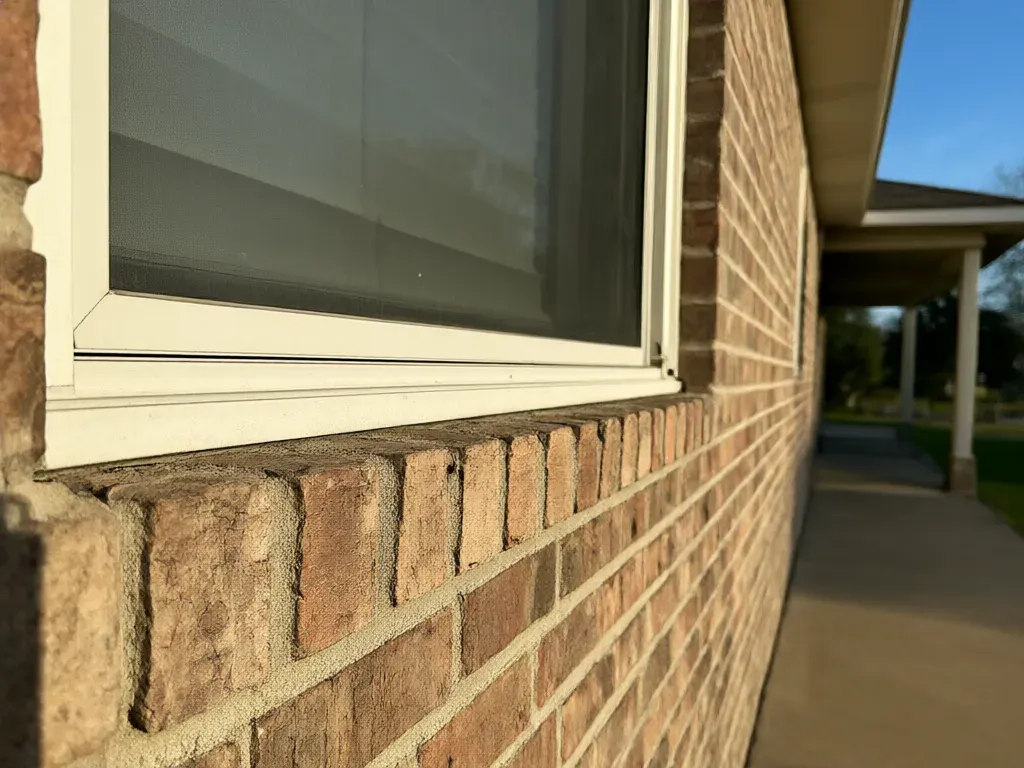
Foundation Crack Repair for Stair-Step Brick Cracks
A crack that zigzags through the mortar joints, usually under a window or off a door corner, is the most common sign of slab movement on a brick house. Once the movement is fixed, we rake out the joints and repoint with mortar matched to the original.
Foundation Crack Repair for Slab and Grade Beam Cracks
Structural cracks about 1/32 inch and wider in the slab or grade beam get epoxy injection, which the ASCE Texas Section guideline describes as restoring stiffness across the crack. If the only goal is keeping out moisture or insects, a flexible sealant can do the job for less.
Foundation Crack Repair for Garage Slab Cracks
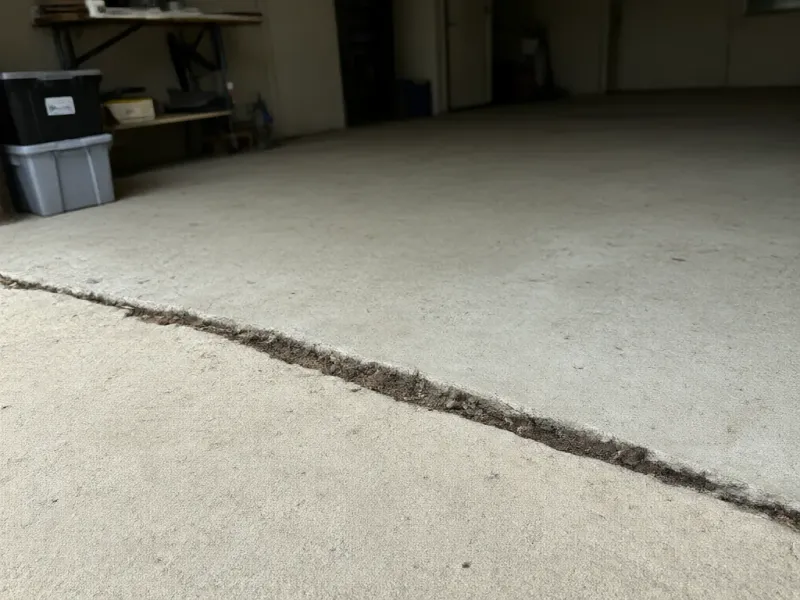
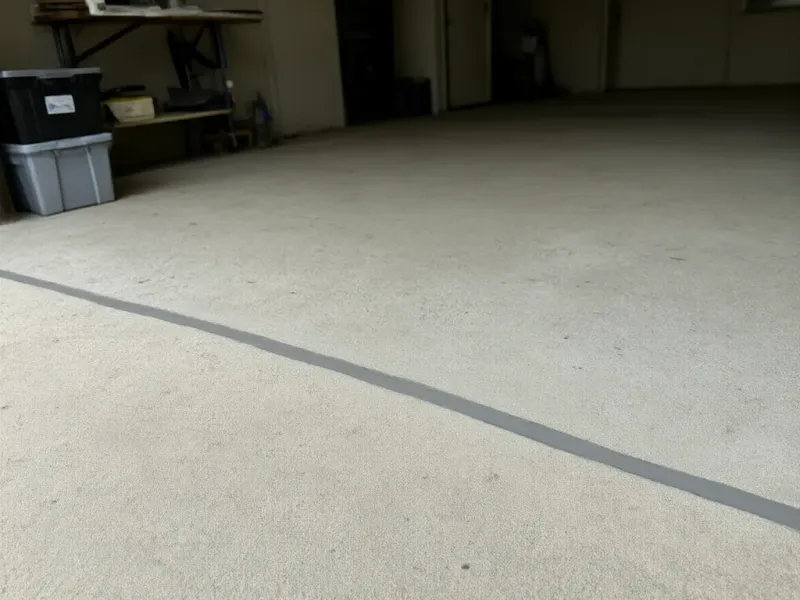
Most garage floors have a few hairline shrinkage cracks, and they're nothing to worry about. Call us when a crack is wider than about 1/32 inch and growing, or when one side sits higher than the other.
Foundation Crack Repair for Corner Pops
A triangle of concrete breaking off the corner of the slab under the brick is called a corner pop. It's usually caused by the brick and slab expanding at different rates, and it's generally cosmetic. We patch it so water can't get behind it.
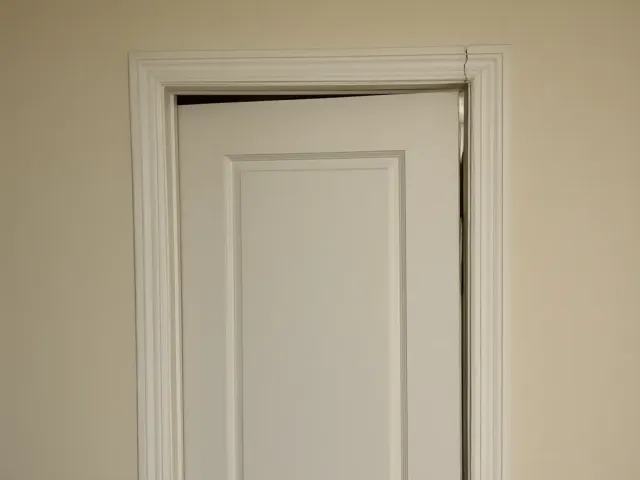
Foundation Crack Repair for Interior Drywall Cracks
Diagonal cracks running off the corners of doors and windows track movement in the walls. They're the last thing to fix, after the foundation has stopped moving, or they'll reopen within a season.
Before and After
Cosmetic Crack or Structural Crack?
Four things separate a harmless crack from one that matters: width, offset, pattern and growth. A hairline crack with both sides flush is usually shrinkage. A crack you can fit a coin edge into, or one where one side sits higher, points to movement.
Pattern tells us where to look. Stair-step cracks in brick and diagonal cracks off door corners usually mean a corner or side of the slab has dropped. A straight crack across tile that lines up with a crack in the garage slab often means the slab itself has cracked through.
Growth is the deciding factor. Mark both ends of the crack with a pencil and the date. If it runs past your marks after a summer, it's active, and a floor survey is the next step.
Take a photo with a tape measure beside the crack each time you mark it. Those photos help us and the engineer read the history instead of guessing from one visit.
How Epoxy Crack Injection Works
We clean the crack, set injection ports along it and seal the surface between them so the epoxy can't run out. Then we pump epoxy in under pressure, starting at the lowest port and moving up, until each section is full. Epoxy bonds best to a dry crack, so if water is actively coming through, we stop the water first.
Once the epoxy cures, the ports come off and the surface gets ground smooth. Done right, the injected crack is stiffer than the concrete beside it.
Injection runs $450 to $850 per crack and carries a 2-year warranty against leaks through the injected crack. It doesn't stop the slab from moving. That's what piers and drainage are for.
Repairing Brick Veneer Cracks the Right Way
Smearing mortar over a brick crack lasts until the next dry summer. We rake the cracked joints out to a solid depth, repoint with mortar matched to the color and texture of the original, and tool the joints to match the rest of the wall.
Cracked bricks get cut out and replaced with the closest match we can find. We also keep the weep holes at the bottom of the wall open, because they let water that gets behind the brick drain back out.
After a lift, many brick cracks close partway on their own, so we repoint once the house is back where it belongs. Brick repair runs $400 to $1,100 per wall section.
When a Crack Means You Need Piers
A crack that grows every summer, doors on that side that stop latching and a floor survey outside the L/360 benchmark usually add up to a foundation repair, not a crack repair. Over a 30-foot span, L/360 is 1 inch.
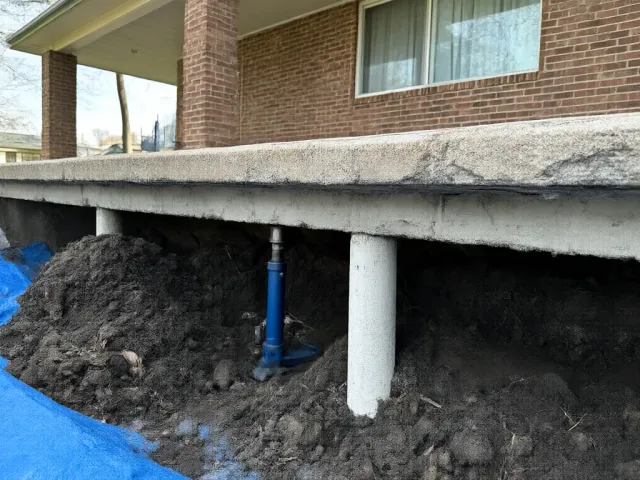
The classic case is a brick ranch with a stair-step crack under a back bedroom window and a door on that wall that won't latch. When the floor survey puts the low spot on that corner, piers along the two walls that meet there usually fix it, and the crack gets repointed after the lift.
When it does come to piers, 8 to 14 exterior piers is typical, at $3,800 to $8,500 with the engineer's letter, permit and plumbing test in the number. We'll show you the survey either way, so you can see for yourself if it's a crack repair or a pier job.
Find Out What Your Cracks Mean
Call (817) 918-8523 for a free inspection. We'll measure the cracks, survey the floor and tell you whether you need a patch, piers or nothing at all.